30-Minute HIIT Workout: Maximize Fat Burn and Improve Fitness Fast
High-Intensity Interval Training (HIIT) has become one of the most effective and popular ways to burn fat, improve cardiovascular fitness, and build lean muscle in less time. A well-structured 30-minute HIIT workout can give you a full-body burn, torch calories, and continue to boost your metabolism long after the workout is over.
In this article, we’ll provide an in-depth guide to a 30-minute HIIT workout, including the benefits, structure, exercises, and how to optimize it for fat loss and fitness. Let’s jump in!
1. What Is HIIT?
HIIT, or High-Intensity Interval Training, involves alternating between short bursts of intense exercise followed by periods of rest or low-intensity exercise. The goal is to push your body to its limits during the high-intensity intervals and recover briefly before going hard again. This repeated cycle helps you burn more calories in less time compared to steady-state cardio.
Key characteristics of HIIT include:
- Short duration: Each interval typically lasts 20-60 seconds.
- High intensity: You work at 80-90% of your maximum effort during the intense phases.
- Variety of exercises: HIIT can involve bodyweight exercises, cardio movements, or even strength-based exercises.
2. Benefits of a 30-Minute HIIT Workout
Maximized Calorie Burn: HIIT increases your heart rate quickly and keeps it elevated throughout the workout, leading to a higher calorie burn.
Afterburn Effect: Also known as EPOC (Excess Post-Exercise Oxygen Consumption), HIIT keeps your metabolism elevated for hours after the workout, meaning you continue to burn calories even at rest.
Time Efficiency: With HIIT, you can achieve the same benefits of longer workouts in just 30 minutes. This makes it ideal for people with busy schedules.
Improved Cardiovascular Fitness: The intense nature of HIIT boosts your heart and lung capacity more effectively than steady-state cardio exercises like jogging.
Muscle Building and Fat Loss: By incorporating resistance-based exercises into your HIIT routine, you can build lean muscle mass while burning fat, leading to a toned physique.
3. Structure of a 30-Minute HIIT Workout
A well-designed 30-minute HIIT workout typically follows this structure:
- Warm-Up (5 minutes)
- High-Intensity Intervals (20 minutes)
- Cool-Down (5 minutes)
Warm-Up (5 minutes)
Before you start the high-intensity intervals, it’s essential to get your body ready for the workout. A warm-up increases blood flow to your muscles, improves mobility, and reduces the risk of injury.
Sample Warm-Up:
- Jumping Jacks: 1 minute
- Arm Circles: 1 minute (30 seconds forward, 30 seconds backward)
- High Knees: 1 minute
- Bodyweight Squats: 1 minute
- Leg Swings: 1 minute (30 seconds each leg)
4. 30-Minute HIIT Workout Plan
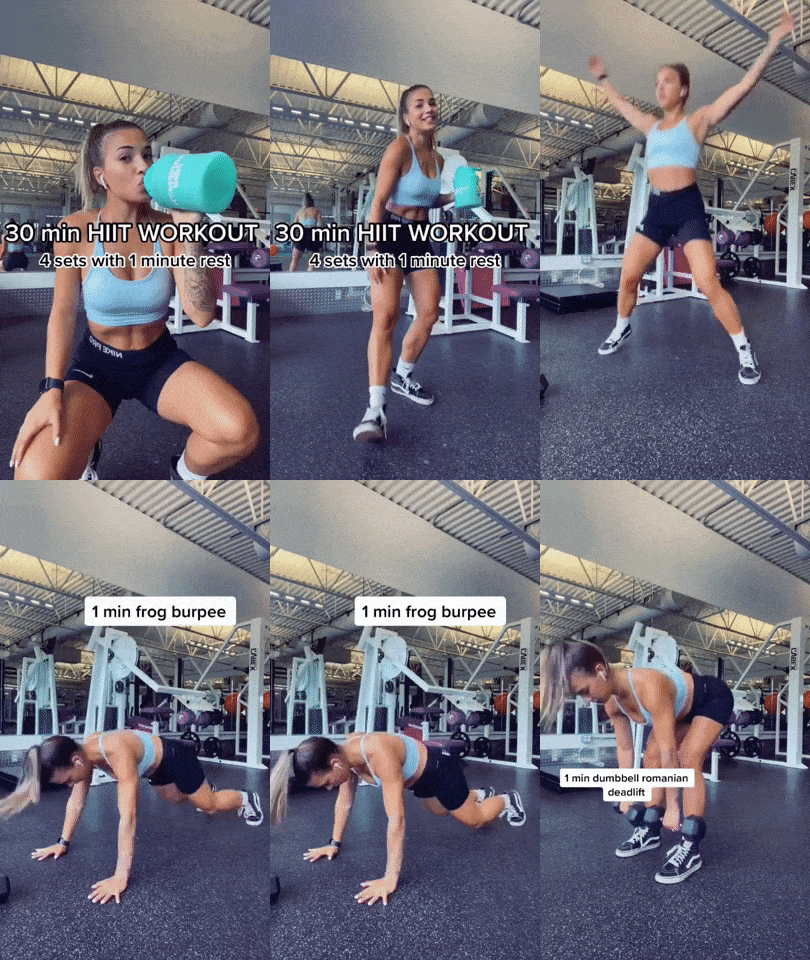
The workout below combines bodyweight exercises to target different muscle groups and incorporates short rest periods to keep your heart rate elevated. Complete each exercise for 40 seconds, followed by 20 seconds of rest. Once you’ve completed all 10 exercises, rest for 1 minute and repeat the circuit for a total of 2 rounds.
1. Burpees (40 seconds on, 20 seconds off)
Burpees are a full-body movement that elevates your heart rate quickly. They engage the core, legs, arms, and shoulders while providing a powerful cardiovascular challenge.
How to Perform:
- Start in a standing position, then squat down and place your hands on the floor.
- Jump your feet back into a push-up position.
- Perform a push-up, then jump your feet back toward your hands.
- Explode up into a jump and repeat.
2. Jump Squats (40 seconds on, 20 seconds off)
Jump squats help develop explosive leg strength while increasing your heart rate. They primarily target your quadriceps, hamstrings, and glutes.
How to Perform:
- Stand with your feet shoulder-width apart.
- Lower into a squat position, then jump explosively, reaching your arms overhead.
- Land softly and immediately lower back into the squat.
3. Mountain Climbers (40 seconds on, 20 seconds off)
Mountain climbers are a great core and cardio exercise that also works your shoulders and arms.
How to Perform:
- Start in a high plank position, with your hands directly under your shoulders.
- Drive your knees toward your chest one at a time, alternating in a running motion.
- Keep your core tight and back flat throughout.
4. Push-Ups (40 seconds on, 20 seconds off)
Push-ups build upper body strength, focusing on the chest, shoulders, triceps, and core.
How to Perform:
- Start in a plank position with your hands slightly wider than shoulder-width apart.
- Lower your chest toward the floor, keeping your elbows close to your body.
- Push back up to the starting position.
5. High Knees (40 seconds on, 20 seconds off)
High knees are an effective cardio movement that strengthens the legs and engages the core.
How to Perform:
- Stand tall with your feet hip-width apart.
- Drive your knees up toward your chest as quickly as possible, alternating legs.
- Pump your arms to increase intensity.
6. Plank to Shoulder Taps (40 seconds on, 20 seconds off)
This exercise challenges your core stability while working the shoulders and arms.
How to Perform:
- Start in a high plank position with your hands under your shoulders.
- While keeping your core stable, lift one hand and tap the opposite shoulder.
- Alternate sides without letting your hips rock.
7. Lunges (40 seconds on, 20 seconds off)
Lunges target the quads, hamstrings, glutes, and calves while improving balance and stability.
How to Perform:
- Stand tall and step one foot forward into a lunge, lowering your back knee toward the floor.
- Push through your front heel to return to the starting position.
- Alternate legs with each rep.
8. Skater Jumps (40 seconds on, 20 seconds off)
Skater jumps are a plyometric exercise that targets the glutes, quads, and calves while enhancing coordination and balance.
How to Perform:
- Start in a slight squat position.
- Jump laterally to one side, landing on one foot.
- Jump back to the other side, landing on the opposite foot.
9. Bicycle Crunches (40 seconds on, 20 seconds off)
Bicycle crunches engage the entire core, particularly the obliques and rectus abdominis.
How to Perform:
- Lie on your back with your hands behind your head and your legs lifted off the floor.
- Bring one knee toward your chest while simultaneously twisting your torso to bring the opposite elbow toward the knee.
- Switch sides in a cycling motion.
10. Squat to Front Kick (40 seconds on, 20 seconds off)
This combo move targets the legs, glutes, and core while adding a dynamic cardio element.
How to Perform:
- Stand with your feet shoulder-width apart.
- Lower into a squat, then as you rise, kick one leg forward.
- Alternate legs with each squat.
5. Cool-Down and Stretching (5 minutes)
Cooling down helps your heart rate return to normal and reduces muscle soreness. Finish your workout with 5 minutes of gentle stretching, focusing on your hamstrings, quads, hip flexors, and shoulders.
Sample Cool-Down:
- Forward Fold Stretch: 1 minute
- Quad Stretch (each leg): 30 seconds per leg
- Hip Flexor Stretch: 1 minute per side
- Shoulder Stretch: 1 minute
6. Tips for Success in HIIT Workouts
Progress Gradually: If you’re new to HIIT, start with shorter intervals and longer rest periods. As your fitness improves, increase the intensity and shorten the rest time.
Prioritize Form: Always focus on proper form, especially during high-intensity exercises. Good technique prevents injury and ensures you're targeting the right muscles.
Fuel Your Body: HIIT is demanding, so make sure you’re properly fueled. Eat a balanced meal with protein and carbs before your workout and stay hydrated.
Listen to Your Body: HIIT is intense, so listen to your body. If you need extra rest between exercises or circuits, take it. Over time, your stamina and endurance will improve.
7. Why This 30-Minute HIIT Workout is Effective
This 30-minute HIIT workout is structured to provide a full-body challenge, combining cardio and strength exercises for maximum efficiency. The alternating periods of high-intensity movement and rest elevate your heart rate, enhance fat burn, and stimulate muscle growth in a short amount of time. Plus, the variety of exercises ensures you're working different muscle groups, which promotes balanced strength and endurance.
8. Conclusion
A 30-minute HIIT workout is an excellent option for anyone looking to burn fat, build lean muscle, and improve cardiovascular fitness without spending hours in the gym. Whether you're a beginner or a seasoned athlete, this workout can be modified to match your fitness level, making it a versatile addition to your fitness routine.


















.gif)

.gif)
